



















Table of Contents
Every year, new technology comes along that changes how we live, work, and play. But in Ambien Without Prescription 2026, experts say this change will happen faster and reach deeper than ever before. In recent years, artificial intelligence (AI) grabbed most of the headlines. Now, the world is moving from “cool experiments” to real technology that does real work.
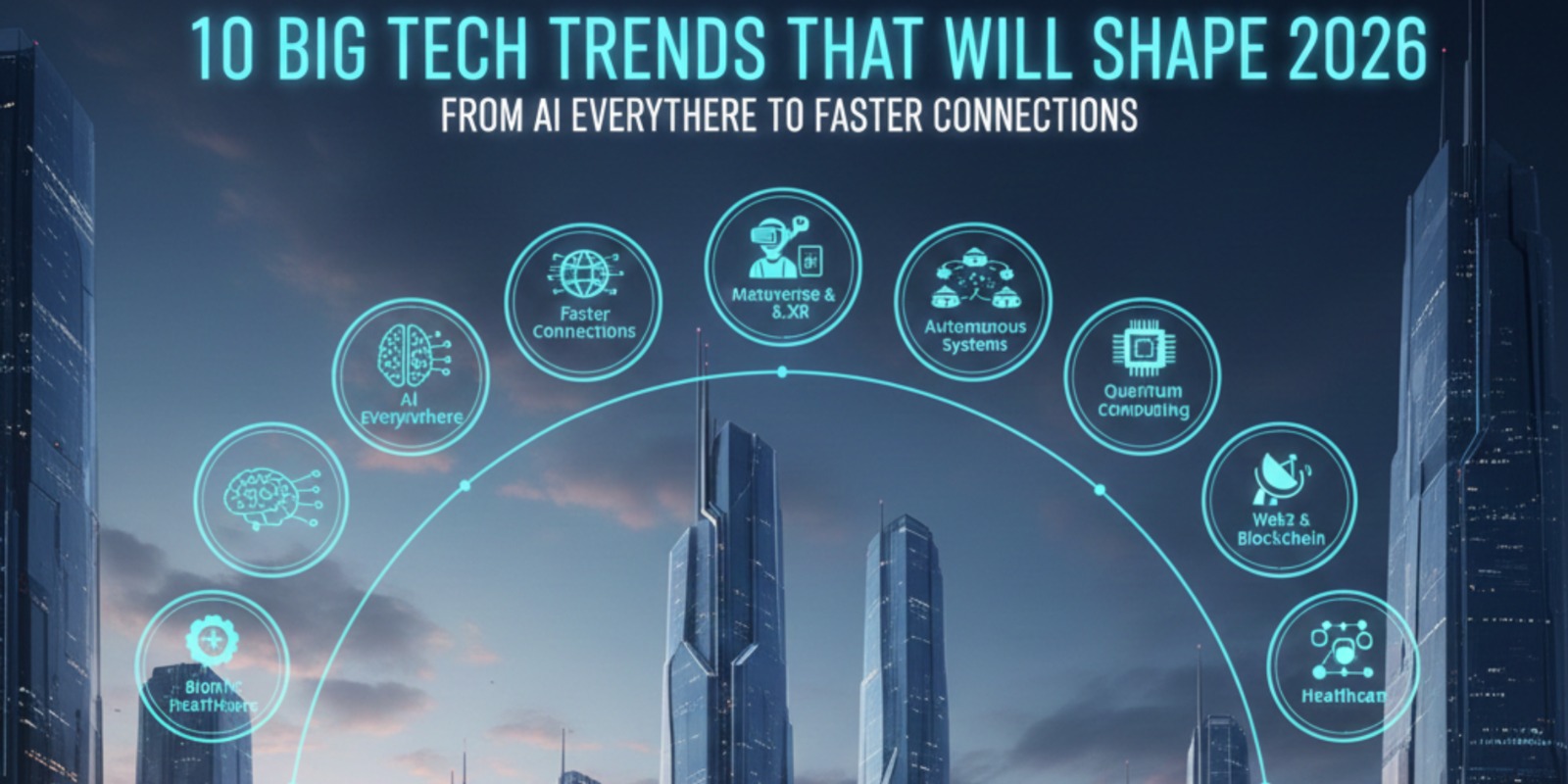
In this blog, we’ll explore the top tech trends experts predict for 2026 — what they are, how they work, and why they matter to you, your school, your future job, and the world around you.
Buy Ultram Online 1. AI That Works With People
AI isn’t just answering questions anymore. In 2026, AI is expected to become https://sumanpsychiatryhospital.com/psychotherapy/ a partner — not just a tool. This means AI will help people solve problems together, make decisions, and work in teams. For example, AI might help scientists analyze data or help designers brainstorm ideas faster.
This creates a new wave where machines help people achieve things faster and better.
Order Tramadol Online 2. AI Built Into Everything (AI Everywhere)
In 2026, AI isn’t limited to computers or phones — it will be built deeper into the software and systems that run businesses, healthcare, transportation, and more. Experts say companies will stop just experimenting and start Order Clonazepam Online using AI in day-to-day work to improve productivity.
This means tasks like customer service, writing code, or even analyzing sales data will involve AI directly.
3. More Intelligent Software Tools
Software that writes code, checks mistakes, organizes projects, and helps people think better will grow a lot. These tools will use advanced AI models that go beyond simple rules. That’s called AI-native development, meaning the software itself is built with AI at the heart of it.
This makes building new applications faster and easier — even for people who aren’t expert programmers.
4. Better Security and Trust Online
As technology gets more powerful, https://www.musicremembrance.com/friends/ keeping data safe becomes more important. New tech trends include stronger systems for protecting information and ensuring that things like AI models behave responsibly. Companies must prove their systems are fair and secure before using them.
This helps protect individuals and businesses from fraud, hacking, and misuse of AI.
5. New Kinds of AI Systems (Multiagent & AI Supercomputing)
Instead of one AI doing simple tasks, we’ll see systems made of many AI “agents” working together. These multi-agent systems can divide work, plan, and solve more complex problems. Also, super-powerful computers made just for AI (AI supercomputers) will help create smart new apps quickly.
This is like having a team of intelligent helpers working together, rather than a single assistant.
https://reachrehab.co.uk/sutton-coldfield/ 6. Intelligent Machines in the Physical World
Physical AI means robots and devices that see, sense, and respond to the world automatically. Before, it was mostly about software changes — now we see AI in machines that can help in warehouses, factories, and even homes.
By 2026, this trend will bring smarter machines — from delivery robots to smart factories — into everyday life.
https://sandfire.com/quartz-products/ 7. Faster and Smarter Connectivity (Beyond 5G)
Technology like https://www.musicremembrance.com/orlando-funeral-music/ 6G wireless networks is being researched now to go beyond 5G. 6G promises faster, smarter, and more intelligent networks that help connect devices, robots, cars, and even smart cities.
Although 6G is still in early stages, trends point to huge improvements in how we send and receive information in the future.
Zolpidem Online Order 8. More Powerful On-Device Intelligence (Edge AI)
Instead of sending all data to big cloud computers, https://www.jamisonroadfire.com/the-auxiliary/ Edge AI lets devices like phones, watches, and robots process information right on the device. This makes AI faster and keeps data more private. It also makes smart systems that don’t need big internet connections to work.
This is important for things like smart cars, healthcare wearables, and real-time decisions.
Ambien Buy Online 9. Smarter Models for Specific Jobs (Domain-Specific Models)
AI will no longer only answer general questions. In 2026, new models will be fine-tuned for specific jobs — like finance, medicine, customer service, and engineering. These domain-specific models perform much better because they know the rules and language of a particular field
This means a medical AI assistant can better help doctors, and an engineering AI can better support technical design.
Buy Tramadol Without Prescription 10. Greater Focus on Responsible Tech Use
As technology becomes powerful, people and governments will demand ethical use, fairness, transparency, and accountability. This means companies must explain how AI works, protect privacy, and ensure algorithms treat people fairly.
Being accountable builds trust and keeps technology working for everyone.
11. Sustainable Technology and Greener IT
Tech companies are also focusing on sustainable computing — building systems that use less energy, produce fewer emissions, and are designed with the environment in mind.
This is not just good for the planet — it’s also a smart part of long-term business strategy.
2026 will be a landmark year for technology — not just because of cool gadgets or new apps, but because tech will begin to deliver real, measurable value, work directly with people, and become woven into daily life and business more deeply than ever before. From advanced AI that collaborates with humans, to secure and trustworthy systems, and from faster networks to powerful on-device intelligence, the trends of 2026 will shape how individuals, companies, and societies operate for years to come.
As we get closer to 2026, being aware of these trends can help students, professionals, and curious minds prepare for a future where technology and people grow together.