




















The global population, once thought to be growing uncontrollably, is now facing a new and unexpected challenge: a sharp and sustained decline. Fertility rates around the world have plummeted over the past few decades, and experts are warning that we may be approaching a tipping point that could lead to a global population collapse. But how real is this risk, and when could it happen?
Ambien Buy Online Understanding Fertility Trends
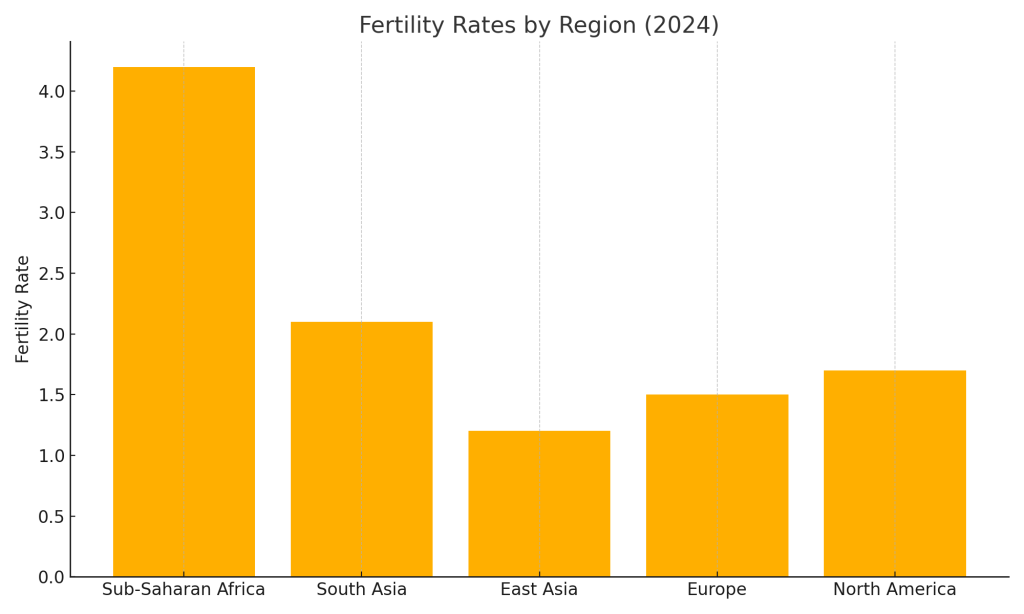
Buy Ultram Online Fertility rate refers to the average number of children born to a woman over her lifetime. The replacement rate—the level needed to keep a population stable—is approximately 2.1. However, in 2024, more than half of the world’s countries are already below this threshold.
| Region | Fertility Rate (2024) | Trend |
|---|---|---|
| Sub-Saharan Africa | 4.2 | Declining but still high |
| South Asia | ~2.1 | Nearing replacement |
| East Asia | 0.7–1.4 | Shrinking population |
| Europe | 1.3–1.6 | Aging and declining |
| North America | ~1.6–1.8 | Stable to declining |
Ambien Buy Online Nations like South Korea, Japan, China, and many parts of Europe are leading this trend, with fertility rates well below the replacement level. The consequences? Aging populations, shrinking workforces, and mounting economic and social pressures.
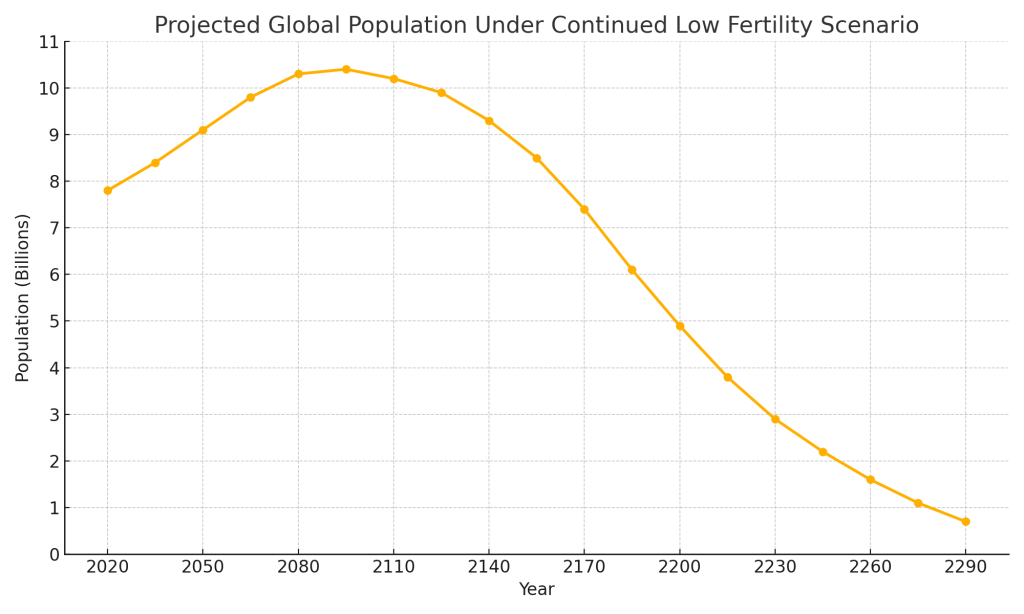
Order Soma 350Mg Online Global Population Projection Chart
Zolpidem Buy Online Below is a chart illustrating a simulated global population trend assuming continued low fertility rates:
https://www.hoptondentalsurgery.co.uk/implants/ The chart highlights a peak population around 2080–2100, followed by a gradual but significant decline. If the trend continues unchecked, we could see a world population of under 2 billion by the year 2300.
Purchase Diazepam Buy Tramadol Without Prescription Why It Takes Time to Decline
Despite declining birth rates, a phenomenon known as population momentum slows down the onset of population decline. Here’s why:
- Buy Valium Online Without Prescription Younger demographics in many countries continue to contribute to growth.
- Order Soma Online Increasing life expectancy means people are living longer.
- The full effects of low fertility aren’t felt for several generations.
As a result, even if every country fell to a fertility rate of 1.3, the global population would still grow for a few decades before starting its descent.
Order Tramadol Overnight The Ticking Clock: Estimated Timeline
| http://www.jamisonroadfire.com/history/ Milestone | https://ergonoptix.com/technical-specification/ Approximate Year |
| Global peak population | ~2080–2100 |
| Start of global population decline | ~2100–2150 |
| Risk of global population collapse | ~2200–2300 |
https://pacificsundental.com/epworth-test/ Economic and Social Implications
A shrinking population could have dramatic effects:
- Labor shortages and reduced economic output.
- Increased burden on healthcare and pension systems.
- Urban decay in regions with declining populations.
- Purchase Diazepam Innovation slowdowns due to fewer young minds.
On the flip side, it could ease pressure on the environment, reduce resource consumption, and potentially lead to higher wages in some sectors.
Some countries are already implementing pro-natalist policies, including:
- Financial incentives for parents.
- Expanded parental leave and child care support.
- Immigration reforms to counterbalance domestic decline.
However, reversing a fertility decline is notoriously difficult, and results have so far been mixed.
Purchase Tramadol Conclusion
The specter of population collapse is no longer just science fiction or theoretical demography. If current fertility trends persist, the global population could experience a significant decline within the next two centuries. Governments, economists, and societies must begin planning for this possible future now—because demographic trends, once set in motion, are among the hardest to reverse.