















Table of Contents
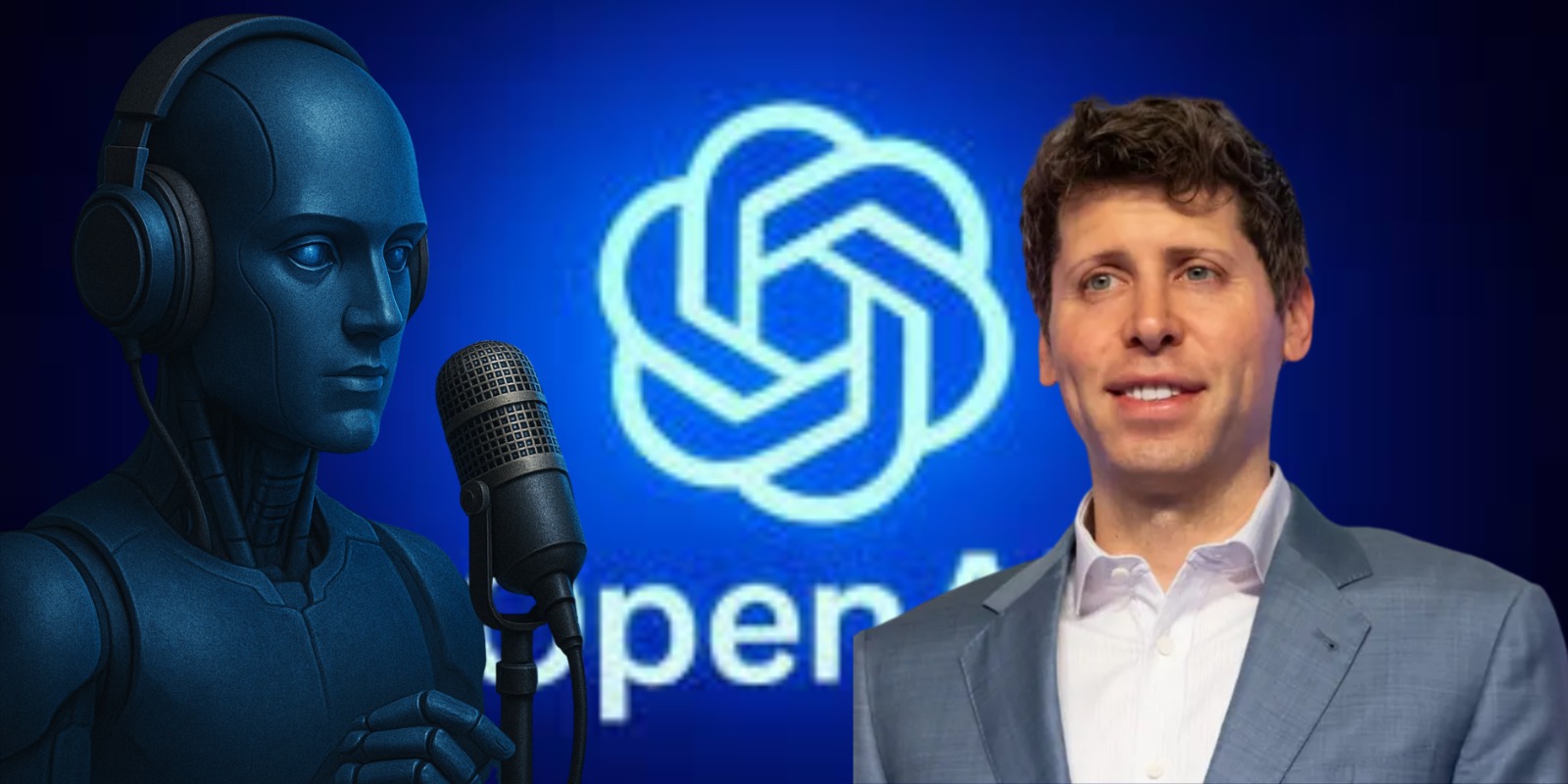
Imagine you type: “a happy summer pop song with acoustic guitar and cheerful vocals,” and seconds later, you have a full song playing that matches your idea. That’s what OpenAI is now working on—an AI tool that can take a short text or audio prompt and turn it into real music. This represents a significant shift, as most AI systems have traditionally focused on text, images, or videos. With this, OpenAI is moving into the world of music creation.
In this blog, we’ll explore:
- What OpenAI is building
- What new features does this kind of music tool offer
- Why it matters for creators, music lovers, and everyday people
- Some of the challenges ahead
- What the future might hold
Order Soma 350Mg Online What Is OpenAI’s Music Tool?
OpenAI has been quietly developing a “generative music” tool—that means an AI that composes or generates music—based on simple prompts (text or audio) you give it.
Key points:
- You might give a prompt like: “lo-fi beat for studying with soft piano and vinyl crackle” or “epic orchestral soundtrack for adventure movie.”
- It could generate full instrumentals or even songs with vocals.
- OpenAI is reportedly working with students at the Juilliard School (a top music school) to help train the model with music scores and real musical structure.
- The tool’s launch date is not yet official; it’s being tested and may be integrated into other OpenAI products.
https://thecarolove.com/about/ What New Features Might It Have?
Here’s a list of possible features and what they mean:
| Feature | What it allows you to do | Diazepam Online Purchase Why it’s useful |
| Text-to-music generation | Type what you want (“romantic piano piece”) and get music that fits. | Makes music creation accessible to anyone—even without instruments. |
| https://commongroundpr.com/capabilities/ Audio prompt input | Upload a short audio sample and ask the AI to expand on it or remix it. | You can give the AI your own melody or sound to build from. |
| https://musicforhumanity.org/desmond-mulready/ Style and genre control | Choose genre (pop, jazz, orchestral), mood (happy, sad), and instruments (guitar, strings). | Helps the music sound closer to your vision. |
| https://www.hollandchiropracticcenter.com/healthy-thinking/ Multi-track or vocal support | Possibly generate songs with multiple parts—vocals + instruments. | Makes the tool useful for songs, not just background music. |
| https://thecarolove.com/marigold/ Training with musical scores | Using annotated sheet music and real musical data so the AI understands rhythm, chords, and structure. | Improves quality—music will sound more like a real composition. |
| https://lejaseur.com/candy-crush/ Integration with existing platforms | It could be built into ChatGPT or other apps so users don’t switch tools. | Easier access; more seamless experience for creators. |
Ambien Online Ordering Why This Matters
- Buy Carisoprodol Online Empowering creators: If you’re a YouTuber, podcaster, game developer, or just someone who wants a custom soundtrack, you might not need to hire a composer or buy expensive licenses.
- https://musicforhumanity.org/esther-chae/ More creative freedom: You can try new styles and sounds easily—type a prompt, see what comes. It changes the way music can be made.
- Zolpidem Buy Online Democratizing music production: Tools like this lower the barriers; you don’t need a studio or expensive gear.
- https://wheellikeagirl.com/spring-faves/ New business possibilities: For ad agencies, game studios, and movie makers, faster, cheaper music creation could open new workflows.
- Competitive landscape: OpenAI entering this space means more tools for everyone. It already raises competition with companies like Suno AI.
Lorazepam Buy Online Challenges and Things to Consider
- https://champions-pd.com/about/ Copyright & ownership: If the AI is trained using music that’s copyrighted, who owns the new song? These issues are already being debated.
- Order Pregabalin Online Quality and human touch: While AI can produce music, will it have the emotion, originality, and nuance of a human composer? Training with scores helps, but the gap may still exist.
- Over-reliance or loss of creativity: If everyone uses similar tools, will music start sounding similar? The value of unique human creativity could shift.
- Technical and resource cost: Generating high-fidelity music takes a lot of computing power and data. Not trivial.
- Ethical issues: Musicians may worry about being replaced or their work being used without credit. The industry will need to adapt.
What’s Next / The Future
- We may soon see a public version of the tool—either stand‐alone or built into ChatGPT or the upcoming video app Sora.
- More features: maybe generating full songs with lyrics, multi-minute tracks, and easier editing of parts.
- Partnerships with musicians and labels: to ensure rights, quality, and real musical style.
- Wider use cases: background scores for games, interactive music responding to user actions, or personalized theme songs.
- Industry shift: As these tools improve, many more people will start using AI tools in their music workflow.
Conclusion
OpenAI’s move into AI-generated music is a clear sign that the future of music creation is changing. What was once only possible in studios with expensive gear may become as simple as typing a sentence. While we don’t know exactly when the tool will launch, the features being developed promise a lot of potential—text or audio prompts transformed into full songs, control over style, vocals, instruments, and a very accessible interface.
If you love music, create content, or are curious about tech and creativity, this is a story worth watching. We’re likely entering a world where your imagination can be the only instrument you need.